







Search Results for: Crema Handling

A Complete Analysis of Latte Art Techniques: Key Steps and Considerations from Pouring Technique to Milk Foam Handling
Many coffee enthusiasts encounter the same confusion when practicing latte art: the milk foam seems finely textured and smooth, and the espresso's crema looks normal, yet once it comes to the actual latte art pour, they fail repeatedly. The problem often lies in an easily overlooked step—the integration of milk and coffee. Whether the integration is even not only directly determines whether the latte art pattern can form smoothly, but also affects the balance of taste in the entire latte. This article will focus on the criteria for judging even integration, the appropriate thickness of espresso crema, milk frothing and anti-separation handling, as well as practical details such as circling direction, pouring height, flow rate control, and integration volume, breaking down one by one the key techniques to master in the latte art process, helping you make latte coffee with clear patterns and harmonious taste at home. [more…]
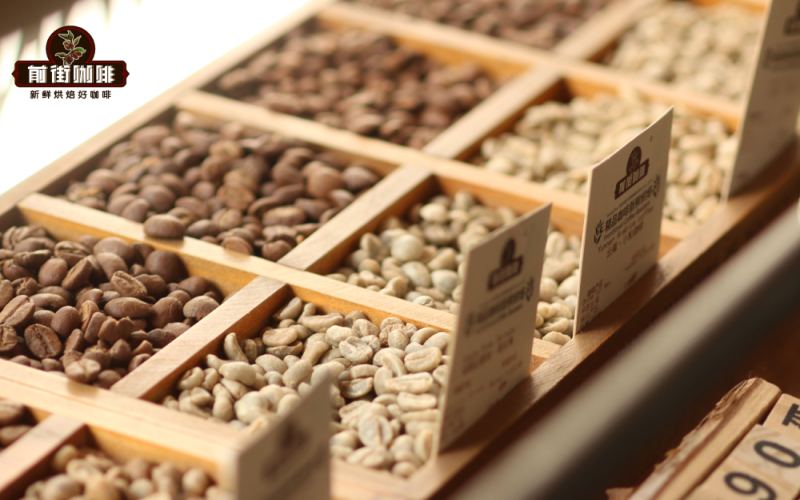
How Do You Make Americano Taste Good? A Comprehensive Analysis from Its Origins to Hot and Iced Recipes and Crema Handling
Americano may seem to require only espresso and water, yet it is the Italian-style drink that most tests a barista's extraction skills. This article begins with the definition and origin of Americano, sorts out the two mainstream methods—Americano and Long Black—analyzes the controversy over long-extraction, weak-tasting coffee, and provides specific parameters for ratios and steps for both hot and iced Americanos. At the same time, drawing on the Warm Sun blend used in Front Street Coffee stores, it explains the espresso extraction plan and dilution ratio, and finally discusses the effect of skimming off the crema on flavor and mouthfeel, helping coffee lovers make a clean, balanced, and delicious Americano at home. [more…]

Latte Art Coffee Ratio Guide: A Full Breakdown of Espresso Dosage, Milk Frothing, and Pitcher Handling Techniques
To make a beautiful and delicious latte art, having good equipment alone is not enough. The choice of ingredients, espresso extraction ratio, milk foam condition, and pitcher-holding technique all directly affect the final result. Based on Front Street's hands-on experience, this article explains in detail the matching ratio of espresso to milk when making a latte, recommends espresso blend beans suitable for latte art, and breaks down the principles of integration and pattern formation in latte art. At the same time, addressing the common pitcher-holding posture problems of beginners, it provides two practical gripping suggestions to help you develop stable muscle memory through repeated practice, gradually improving your success rate in latte art and the fineness of your patterns. [more…]

Latte Art Practice Duration and Latte Milk Frothing Techniques: A Detailed Guide to Milk and Coffee Integration Key Points
To create beautiful latte art, hand speed and talent alone are far from enough—behind it lies a whole series of details involving milk foam condition, crema quality, extraction parameters, and even milk temperature. This article breaks down crema, coffee beans, extraction methods, milk handling, and pitcher-splitting techniques one by one, helping you understand the underlying logic of latte art and avoid unnecessary detours. Whether you are a complete beginner or an enthusiast looking to refine combination patterns, you will find directions worth practicing repeatedly. The article also combines the characteristics of several Front Street Coffee espresso blends to offer bean selection advice for latte art practice and serving. [more…]

How to Choose Espresso Blend Beans for Home and Office Scenarios? Is a Fully Automatic Coffee Machine Suitable for the Office?
For many coffee enthusiasts, having a coffee machine both at the office and at home is no longer anything new. Fully automatic models are effortless to operate, handling everything from grinding to cleaning with a single touch, and they come with a built-in milk frothing system that can quickly produce cappuccino, mocha, and other specialty coffee drinks—though their crema performance is relatively limited, and their milk frothing capability tends to be on the weaker side. Semi-automatic models, on the other hand, put every step—grinding, distributing, tamping, and extraction—into the user's hands, delivering stable pressure and rich crema, and they can handle latte, flat white, and even latte art, which is why they are equally common in both office and home settings. Whichever type of equipment you choose, the final flavor of an espresso is ultimately determined by the coffee beans. For office and home users, stable extraction, flavor performance, and reasonable pricing are the three key factors. Front Street Coffee has put together a range of blend options around these dimensions, covering needs from beginner-level to opening a café. [more…]
Latte art always failing? A detailed explanation of the eight key points and operational details for incorporating milk and coffee
Many coffee enthusiasts encounter the same confusion when practicing latte art: the milk foam is steamed perfectly fine, and the crema on the espresso is in decent shape too, yet the moment they start pouring, everything falls apart. The problem often lies in a seemingly simple yet easily overlooked step—the integration of milk and coffee. Whether the integration is even not only directly determines whether the latte art pattern can come through smoothly, but also affects the layered mouthfeel of the entire latte. This article will break down the key operational points one by one—covering the criteria for judging even integration, the appropriate thickness of espresso crema, milk steaming and anti-separation handling, the direction and size of the swirling circles, pouring height and flow rate, and controlling the amount used in integration—to help you make a cup of latte with clear patterns and a smooth mouthfeel right at home. [more…]

Why Isn't Cappuccino Served Iced? The Origin of the Name and the Art of Golden Circle Milk Foam
Cappuccino is a classic on the coffee menu, but when you order an iced cappuccino from a barista, they often look troubled. Behind this lies both the historical origins of the name and the physical properties of milk foam and coffee crema. This article will trace the evolution of the name "cappuccino" from the beginning, explain why the traditional standard known as the "coffee golden ring" came to be, and analyze why iced cappuccino is almost never seen. It will also explain the drinking awkwardness caused by overly thick milk foam and unstable structure in hot cappuccino, as well as Front Street Coffee's related recommendations on milk foam handling, to help you understand this Italian classic more comprehensively. [more…]

The Complete Guide to Latte Art with Hot Fresh Milk: Practical Approaches from Milk Foam Handling to Pattern Formation
Latte art is one of those things that can seem either difficult or easy—some people occasionally pour a beautiful pattern, but then can't reproduce it no matter how hard they try. At Front Street Coffee, we believe that judging the quality of latte art starts with whether the surface is smooth and fine, then whether the integration is even and the boundary between the golden ring and the pattern is clear, and only lastly comes the pattern itself—as long as the texture is sharp and the shape is well defined, that's enough. Theory can't replace feel, but a few small tips can help you reduce your failure rate. This article walks you through bean selection, milk foam thickness, pre-fusion preparation, repeated practice of basic patterns, and flexible adaptation, teaching you step by step how to make stable, attractive latte art with hot fresh milk. [more…]
The Complete Guide to Latte Art: Key Techniques for Milk Foam, Crema, and Coffee Bean Selection
To create a beautiful latte art cup, passion alone is far from enough. From the fineness of the milk foam and the condition of the crema, to the roast level and freshness of the coffee beans, and then to the extraction method and milk handling, every step directly affects the final pattern's presentation. This article systematically sorts out the four core elements that determine the success of latte art—coffee, milk, pitcher, and pattern—with detailed analysis of crema changes, extraction parameters, milk frothing techniques, and the difference between splitting milk and not splitting milk. It also recommends three coffee beans—Front Street Classic Blend, Commercial Blend, and Dark Cocoa Base Blend—for different needs, helping coffee enthusiasts and shop owners find the latte art solution that suits them best. [more…]
Espresso Blend Coffee Roasting in Practice: Analysis of Raw Blend Strategies, Density Difference Handling, and Development Rate Control Points
The roasting of espresso blends centers on balancing the density, size, and flavor direction of different bean varieties. Starting from the choice between pre-blend and post-blend, this article combines the blending case of Front Street Colombia Medellin and Front Street Ethiopia Yirgacheffe to break down in detail the logic of adjusting heat, airflow, and moisture during roasting, as well as how to handle combinations of green beans with large density differences through stages such as steaming, heat pushing, and gliding. The article also presents an espresso blend roasting approach with a development ratio controlled at around 25%, and includes measured espresso extraction parameters and flavor descriptions, making it suitable for enthusiasts who wish to gain a deeper understanding of espresso blend roasting. [more…]

A Guide to Choosing Coffee Beans for Your Café: How to Pick the Right Espresso Blend for Black Coffee, Americano, and Latte
When opening a coffee shop, Americano and latte are often the two best-selling products, so bean selection needs to balance flavor compatibility, consistency in output, and cost control. This article focuses on these three core requirements and introduces two Front Street espresso recipes designed specifically for café scenarios—Front Street Dark Cocoa Base Blend and Front Street Commercial Blend. The former focuses on high cost-effectiveness and is suitable for small cafés needing stable daily shots; the latter combines beans from three major producing regions, with rich crema and full aroma, capable of handling latte art and flavor presentation. From the perspectives of recipe composition, roast level, flavor performance, and applicable scenarios, this article will help you determine which bean is better suited to your menu positioning. [more…]
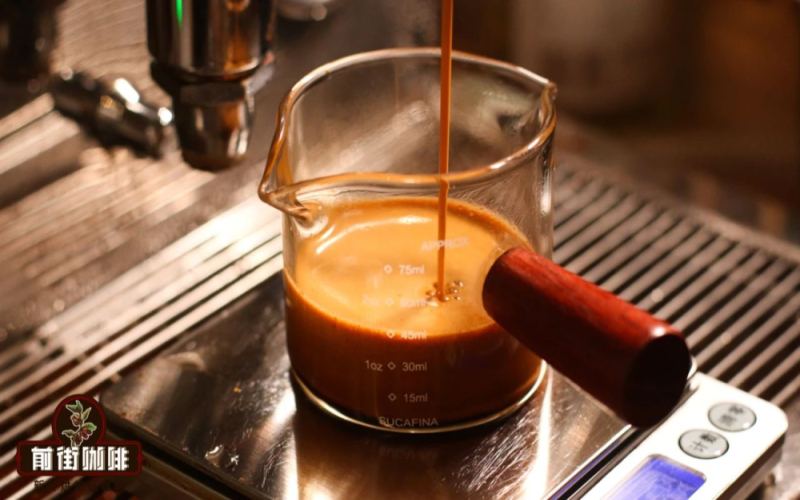
Australian Classic Flat White Making Secrets: A Complete Guide to Coffee Bean Selection and Milk Frothing
Flat White is a classic coffee originally created in Australia. It uses espresso as its base, paired with fine, thin microfoam, giving it a richer and more concise taste than a latte. To make an authentic Flat White, the key lies in the choice of coffee beans, the handling of the milk, and the extraction method. This article will guide you through the flavor characteristics of a Flat White and provide an in-depth analysis of the dark-roast espresso beans recommended by Front Street Coffee, including PWN Golden Mandheling and the classic blend series. We will also share milk frothing techniques and standard recipes to help you recreate the pure Australian flavor at home. [more…]
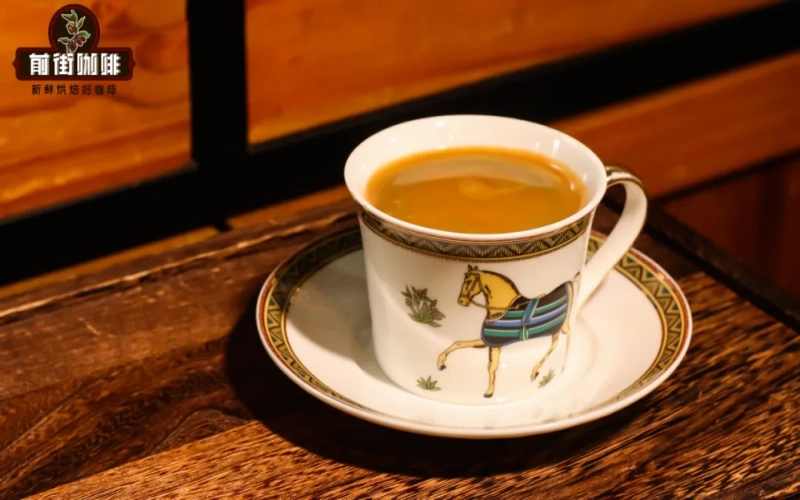
Why Does Hot Americano Taste as Bitter as Chinese Herbs? From Bean Selection to Extraction, a Guide to Making Smooth Americano
Hot Americano is often teased for having a bitter taste reminiscent of "Chinese herbal medicine" or "herbal tea," so many people switch to iced Americano. But when the weather turns cold, a warm cup of coffee is still a must. Why is hot Americano more bitter than iced Americano? The key lies in the fact that high temperatures amplify the taste buds' perception of bitterness, while higher concentration makes the flavors more intense. However, temperature and concentration are merely amplifiers—what truly determines the upper limit of bitterness is the coffee beans and the extraction plan. This article systematically explores how to make hot Americano smoother, from coffee bean roast level and extraction rate adjustments to fine particle handling, and retains recommendations for multiple Front Street Coffee bean varieties, helping you make a balanced, easy-drinking cup of Americano at home or in a shop. [more…]
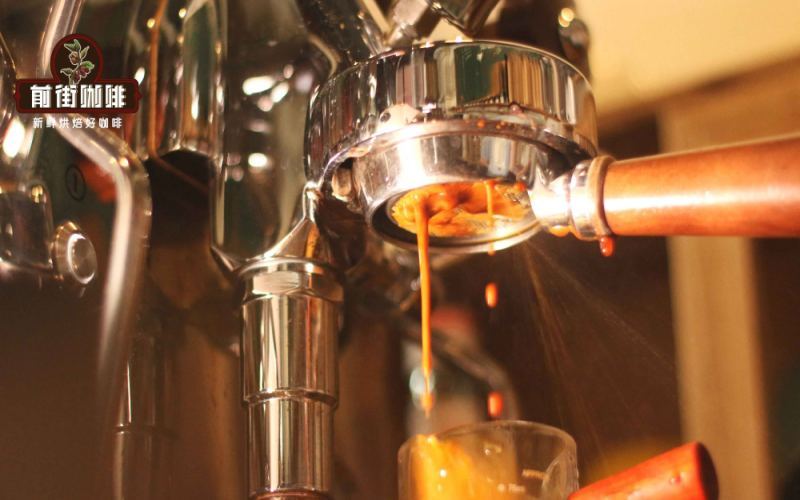
Why Does Espresso Extraction Taste Burnt and Bitter? Analyzing the Causes of Channeling and Practical Solutions
When pulling espresso, have you ever encountered a flow rate that alternates between fast and slow, crema that looks pale, and coffee that tastes scorched and bitter with a thin body? This is very likely channeling in the puck. This article will analyze how to identify perforation, the three core causes (uneven distribution, insufficient dose, and a clogged dispersion screen), and provide corresponding adjustment solutions. It will also explain how coffee bean roast level affects extraction stability, and why the medium-dark espresso blends commonly used by coffee shops are better suited to pursuing consistent output. If you enjoy rich crema, you can look into classic recipes like Front Street. Commercial Blend. [more…]
How do you drink espresso the right way? A complete tasting guide from crema and brew ratio to flavor
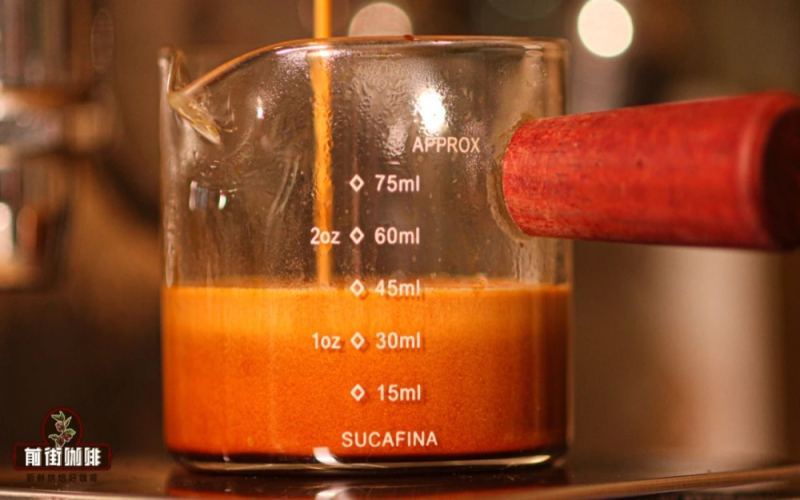
Espresso is the base for many milk coffees, but many people wonder whether it can be drunk on its own and what exactly there is to savor in it. This article, from the perspective of Front Street Coffee, first breaks down the three main components of espresso—crema, coffee oils, and soluble substances—and then explains how 9-bar high-pressure extraction creates the golden crema layer. It then shares the recipe ratio, roasting curve, and extraction parameters of Front Street Coffee's Warm Sun blend, and offers tasting suggestions such as stirring and letting it cool, helping you understand that what is truly worth appreciating in espresso is the mouthfeel, aroma, aftertaste, and a few distinct flavor notes, not just bitterness. [more…]
A Complete Guide to Espresso Channeling: Causes of Puck Perforation, How to Identify It, and the Three Main Sources
When pulling espresso, a flow rate that alternates between fast and slow, thin-tasting coffee, and pale crema often point to the same problem—channeling caused by puck perforation. This article starts with the symptoms, explains in detail how to identify perforation with the help of a bottomless portafilter, and breaks down the three main causes one by one: uneven distribution, insufficient dose, and a clogged shower screen. It also offers targeted solutions to help you maintain consistent extraction quality in your daily output. [more…]

The Secret to Making Sparkling Iced Americano: The Golden Ratio of Espresso to Sparkling Water and Key Operational Points
Sparkling Americano, with its unique carbonated kick and clever combination of coffee flavors, has become a popular specialty drink in the coffee world in recent years. However, what seems like simply replacing plain water with sparkling water actually hides many production secrets. Starting from the taste experience of Sparkling Americano, this article provides a detailed analysis of the optimal ratio of espresso to sparkling water, and addressing common issues such as splashing, loss of carbonation, and prominent bitterness during preparation, offers two practical techniques—reducing impact force and skimming off crema—to help you easily make a cup of sparkling iced Americano that is both beautiful and delicious. [more…]
Typical Troubleshooting in Espresso Making: A Comprehensive Analysis from Crema Condition and Water Flow Pattern to Extraction Parameters
In the process of making espresso, even experienced baristas inevitably encounter various unexpected situations—crema bubbling, channeling, sharp or overly sour flavors, and every detail can affect the final flavor presentation. This article systematically sorts out several common problems in espresso making, including judging coffee bean freshness, checking extraction parameters, analyzing the causes of crema abnormalities, and diagnosing water flow conditions, and provides targeted adjustment suggestions. Whether you use a Synesso, Expobar, or other machine models, these troubleshooting approaches can help you quickly locate the root of the problem and take a step closer to an ideal cup of espresso. [more…]

Espresso vs. Americano: Analyzing the Differences — Italian Standard Ratios, Preparation Process, and Flavor Characteristics
Walking into a coffee shop, the espresso and Americano on the menu often leave people puzzled: both belong to the category of black coffee, so what exactly is the difference? This article, from the perspective of Front Street, sorts out the origins of Americano and its two brewing methods, explains in detail the standard extraction parameters, essential conditions, and flavor performance of espresso, and shares recommendations for Front Street's specialty espresso blend coffee beans. At the same time, using a normal operating process as an example, it breaks down the steps of making espresso one by one, including handling the portafilter basket, weighing the grounds, distributing the grounds, tamping, and extraction, and finally gives the specific mixing ratios for iced Americano and hot Americano, helping coffee enthusiasts fully understand the differences between these two classic coffees and the key points of making them. [more…]
Smart Coffee Machine Buying Guide: Bruvelo Fully Automatic Models and Front Street Coffee Bean Pairing Recommendations
The fast pace of urban life has made it a rare luxury to go home and enjoy a freshly ground cup of coffee, and the emergence of smart coffee machines has perfectly resolved this dilemma. However, having a good machine alone is not enough—pairing it with coffee beans of consistent quality and reasonable price is what truly unlocks its value. This article will introduce coffee enthusiasts to the highlights of the Bruvelo smart coffee machine, from automatic water filtration and coffee bean grinding to precise temperature-controlled extraction, as well as three extraction modes easily controlled via a mobile app. It also recommends two espresso blends from Front Street—the Black Cocoa Blend and the Classic Blend—suitable for beginners and advanced users seeking rich crema, respectively. [more…]